
Call for door repair(984) 217-8021

Service 07 of 09 · Charlotte, NC

Fire Door Repair in Charlotte, NC

A fire door only works if it closes and latches by itself every time. When a stairwell or corridor door stays open, bounces off the latch, or gets written up during an inspection, the closer, hinges, latching hardware or gaps need correcting with parts that keep the assembly's rating. We repair fire doors in Charlotte commercial buildings.

Symptom → cause → fix

What's wrong with the door?

Match what you're seeing to the usual cause. We confirm on site before replacing anything.

Fire Door Repair: common symptoms in Charlotte buildings
SymptomLikely causeTypical fix
Door doesn't close on its ownCloser weak, missing or obstructedAdjust or replace the closer; remove any obstruction
Closes but doesn't latchLatch misaligned, or closer too slow at the endAdjust the latching and closer speed
Pair closes in the wrong orderCoordinator missing or not workingRepair or install the coordinator
Clearances too large or edges damagedSagging hinges or damaged door edgesRe-hang the door; assess whether the damage is repairable

The basics

How it works and why it fails

A fire door is part of a tested assembly. The door, the frame, the hinges, the latching hardware and the closer were rated together. In a fire, that assembly is meant to hold back flame and smoke long enough for people to get out and for firefighters to work. It can only do that if it is closed and latched. A door that is wedged open, or that drifts shut and stops an inch short, gives the fire a path. That is why inspectors care less about how a door looks and more about whether it closes and latches by itself.

Most fire door problems are not dramatic. A closer slowly loses its adjustment. Hinge screws work loose and the door sags until it rubs the frame. Someone adds a kick-down stop, a hook or a slide bolt to keep the door out of the way. A contractor drills a hole for a card reader and never fills it properly. Each of these is small, but each one can stop the door from closing or affect its rating. Repair work is mostly about finding these changes and correcting them with parts suitable for rated openings.

For a business owner or facility manager in Charlotte, the practical goal is a clean annual inspection and doors that work between inspections. NFPA 80 asks for fire door assemblies to be inspected and tested at least once a year by a knowledgeable person, with written records kept. Deficiencies found on that inspection are expected to be corrected promptly. Fixing them in one organized visit, door by door, is usually simpler than chasing them one at a time, and it leaves you with a record of what was done to each opening.

The parts that matter

Fire Door Repair: components and how they fail
PartWhat it doesHow it fails
Fire label (door and frame)Identifies the door and the frame as rated and shows the rating the assembly was tested to.Labels get painted over, scraped off or hidden behind added hardware. An inspector who cannot read the label may write the opening up even if the door otherwise works well.
Self-closing deviceCloses the door from any open position without anyone pushing it.Closers lose adjustment, leak fluid or get disconnected. You notice doors that stop short, drift slowly, or slam hard enough to bounce off the latch.
Positive latching hardwareHolds the door shut so fire pressure and air movement cannot push it open.Latches wear, strikes shift and doors sag out of line. The door closes but the latch rides on the strike lip and does not catch, so the door can be pushed open.
CoordinatorOn a pair of doors with an astragal, makes sure the inactive leaf closes before the active leaf.Coordinators get bent, removed or bypassed. The active leaf closes first, the inactive leaf hangs open behind it, and the pair does not latch properly.
Gasketing and intumescent sealsLimit smoke passing around the edges, and on some doors expand with heat to close the gap.Gaskets tear, peel or get painted, and seals are damaged when doors are planed or trimmed. Missing sections often show as light visible around the closed door.
Steel ball-bearing hingesCarry the door's weight and keep it aligned in the frame on most rated swinging doors.Worn hinges and loose screws let the door sag. It starts dragging on the floor or rubbing the frame, which stops it from closing on its own.

On-site diagnosis

What we check

Self-closing and latching

Released from fully open, the door closes and latches without help.

Labels and hardware

Fire labels are present and the hardware is suitable for rated use.

Gaps and condition

Clearances, holes, damage and modifications to the door and frame.

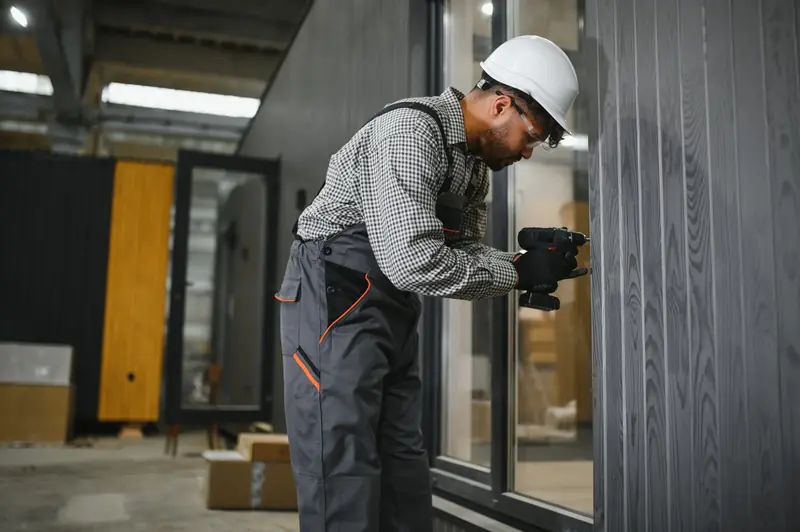
Technician repairing a steel fire-rated door frame in a Charlotte commercial building
Rated assemblies are repaired with compatible, listed parts, and the label is never painted over or removed.

Repair or replace?

Closers, hinges, latches and coordinators are routine repairs using suitable listed parts. Unapproved holes, heavy damage or a missing label can mean the door or frame needs replacing. Fire door assemblies are inspected and tested every year under NFPA 80, which the North Carolina Fire Code references.

Fire Door Repair in Charlotte

Stairwell and corridor fire doors in Uptown and Midtown office and residential towers get propped open, wedged and slammed every day. Inspection reports often list the same items: doors that don't close on their own, latches that don't engage, and missing coordinators. Send us the deficiency list and we'll work through it.

Step by step

How a fire door repair visit works

  1. Review the deficiency list

    If you have an inspection report, we start there. Each item is matched to a door location so nothing gets missed. If there is no report, we walk the rated openings you are concerned about, usually stairwells, corridors, and doors to mechanical and storage rooms, and note what each one needs before any work begins.

  2. Find the labels and the rating

    We locate the labels on the door edge and the frame, usually on the hinge side or at the top. The label confirms the assembly is rated, and the rating guides which replacement parts are suitable. If a label is missing or painted over, we note it, because that affects whether a repair alone can bring the door into line.

  3. Test closing and latching

    Each door is opened fully and released. We watch whether it closes from the full open position, whether the latch catches without help, and whether pairs close in the right order. We also look for anything that holds the door open, such as wedges, hooks or kick-down stops, and anything that slows it near the frame.

  4. Make the repairs

    Closers are adjusted or replaced, hinges are tightened or swapped for suitable steel hinges, latches and strikes are realigned, and coordinators are repaired or installed on pairs. Non-compliant add-ons are removed. Where a door has holes, damage or clearance problems that hardware work cannot fix, we explain the options rather than patching it in a way that affects the rating.

  5. Retest and record

    After the work, each door is tested again from fully open. We list what was found, what was repaired and anything still outstanding, by door location. That gives you something to hand to your inspector or keep with your fire door records, and a clear view of any items that need a follow-up visit or a replacement door or frame.

Safe checks

What you can check before you call

A few minutes of observation makes the phone call faster and the diagnosis more accurate.

Do Safe

  • Open each stairwell and corridor door all the way and let go. Note any door that does not close and latch fully on its own.
  • Look for wedges, hooks, chains, kick-down stops or furniture holding fire doors open, and note where they turn up most often.
  • Check the hinge edge and the frame for fire labels and note whether each one is readable, painted over or missing.
  • With the door closed, look for daylight or wide gaps at the edges and bottom, and note any holes or damaged edges on the door or frame.

Don't Avoid

  • Do not paint over or remove fire labels. An unreadable label can mean the opening fails inspection even if everything else works.
  • Do not drill new holes or add locks, bolts or hooks to a fire door. Unapproved field modifications can affect the door's rating.
  • Do not disconnect or back off a closer because a door feels heavy or loud. A door that will not close by itself does not do its job, so have the closer adjusted instead.

Expert answers

Fire Door Repair: the decisions that matter

What does a fire door inspector look for?

An annual inspection under NFPA 80 follows a fairly standard list, and knowing it helps you fix problems before the inspector arrives. The inspector checks that labels on the door and frame are present and legible. They look for holes or breaks in the door and frame surfaces, and confirm that any glazing and its retaining beads are intact and secure. The door, frame, hinges and hardware should be secure, aligned and working, with no visible damage that affects operation. Clearances are measured. Between a steel door and its frame, the gap is typically held to about 1/8 inch with a small tolerance, and the gap under a swinging door is typically no more than 3/4 inch, though the exact limit depends on the floor surface and the listing. The inspector checks that no auxiliary hardware, such as a hook or slide bolt, interferes with operation. Each door should self-close from the fully open position and positively latch. On pairs, the coordinator must close the leaves in the right order. Gasketing and edge seals, where required, should be present and undamaged. Finally, the inspector looks for field modifications that could void the label. Each failed item becomes a deficiency to correct and record.

Which field modifications can void a fire label?

A fire label certifies the door and frame as they were built and tested. Changes made on site can take the assembly outside that listing, and NFPA 80 limits what can be done in the field. Common problems in Charlotte buildings are holes drilled for card readers, wiring or old hardware and then left open or plugged with screws or caulk. Cutting a new vision panel, enlarging an existing lite, or adding a louver without listed parts is another. Trimming the bottom of a door to clear new flooring can push the undercut past the typical limit and remove material the listing relied on. Surface bolts, hooks, extra locks and oversized kick plates can also cause trouble. Some changes are allowed, such as certain small holes for surface-applied hardware or listed parts the manufacturer permits, but the rules are specific. When a door has been altered beyond what is allowed, a hardware repair alone may not restore it. Depending on the situation, the options can include an evaluation by a qualified labeling agency or replacing the door or frame. Before anyone changes a rated door, check first. Avoiding a modification is far simpler than undoing one.

Make it last

How to prevent the next failure

Stop the propping

Most fire door damage starts with propping. Wedges strain hinges and closers, and a door left open protects nothing. If a door has to stand open for traffic, ask about a hold-open device that releases on fire alarm signal and is permitted for that door.

Walk the doors between inspections

A quick monthly walk of stairwells and corridors catches doors that have stopped latching or have been wedged. Releasing each door from fully open takes a few seconds. Problems found early are usually simple adjustments rather than inspection write-ups.

Control who modifies rated doors

Make sure contractors installing card readers, signage or new locks know which doors are rated before they start. A short note in your work order process prevents holes and add-ons that can affect the rating and take more work to correct later.

Keep your records together

Store each year's inspection report and repair notes in one place, listed by door location. When an inspector asks about a door, you can show what was found and what was done. The records also show which doors keep coming back with the same problem.

What affects the cost of fire door repair

We don't quote flat prices without seeing the door. These factors set the scope.

Number of doors and deficiencies
A list of ten doors that each need a closer adjustment is a very different job from two doors that need complete new hardware sets. The total count of openings and the type of deficiency on each one set most of the scope of the work.
Condition of the door and frame
Hardware repairs are straightforward when the door and frame are sound. Holes, dents, damaged edges or a frame pulled out of square can mean more involved work or a replacement assembly, which changes both the time on site and the parts needed.
Rated replacement parts
Parts on fire doors have to be suitable for rated use. Some are common and easy to carry. Others, such as specific exit devices, coordinators or hinges in an unusual size or finish, may need to be ordered, which can add a second visit.
Label status
A readable label usually means repair can go ahead with suitable parts. A missing or painted-over label raises questions about the assembly that may need to be resolved before the opening can be signed off, which can widen the scope of the job.
Access and building schedule
Stairwell doors in occupied towers often have to stay usable during the work, and some buildings limit work to certain hours. Working floor by floor around tenants, security desks and elevator access affects how the visit is planned and how many trips it takes.

Before you call

Have this ready

These details let us scope the job on the phone and send the right parts.

Call (984) 217-8021
  1. Your inspection deficiency list, if you have one
  2. Number of doors and which floors they're on
  3. What the label on the door edge or frame says, if readable
  4. Single doors or pairs

FAQ

Fire Door Repair questions

How often do fire doors have to be inspected?

NFPA 80 calls for fire door assemblies to be inspected and tested at least once a year, with records kept. Your fire marshal or code official sets local enforcement.

Can I prop a fire door open?

Not with wedges or hooks. A fire door can only be held open by a hold-open device that releases on fire alarm signal and is permitted for that door.

Can any closer go on a fire door?

No. Hardware on a rated door has to be suitable for rated use, so replacement closers, hinges and exit hardware are chosen to match.

What does positive latching mean?

It means the latch bolt actually engages the strike and holds the door shut without anyone pushing on it. A door that rests against the frame but can be pushed open is not positively latched. Inspectors check this by releasing the door from fully open and then pushing on it. If it moves, the latch, the strike alignment or the closer's final speed usually needs attention.

Can a fire door have a card reader or electric lock?

Often, yes, but the hardware has to be suitable for rated use and installed the way the door's listing allows. Electric strikes, electrified locks and exit devices made for rated doors are available. Trouble usually comes from drilling or cutting the door without checking first. Ask before installation so the door keeps its rating and still latches every time it closes.

What happens if a door fails its annual inspection?

The inspection report lists each deficiency. The building owner is expected to have those items corrected and to keep records showing the work. Many deficiencies are hardware adjustments or part replacements. The Fire Marshal's Office within the Charlotte Fire Department is the local enforcing authority, so follow any instructions or timelines it gives for your building.

Is a fire door the same as an exit door?

Not always. A fire door is rated to resist fire and sits in a fire-rated wall, such as a stairwell enclosure. An exit door is on the path out of the building. Many doors are both, like a stair door with a push bar. When a rated door also needs panic hardware, it needs fire exit hardware, which is listed for use on rated doors.

Related door repairs

Need fire door repair in Charlotte?

Call and describe what the door is doing. We'll tell you what's likely wrong and get it fixed.

Call (984) 217-8021
Commercial door repair · CharlotteTap to call (984) 217-8021