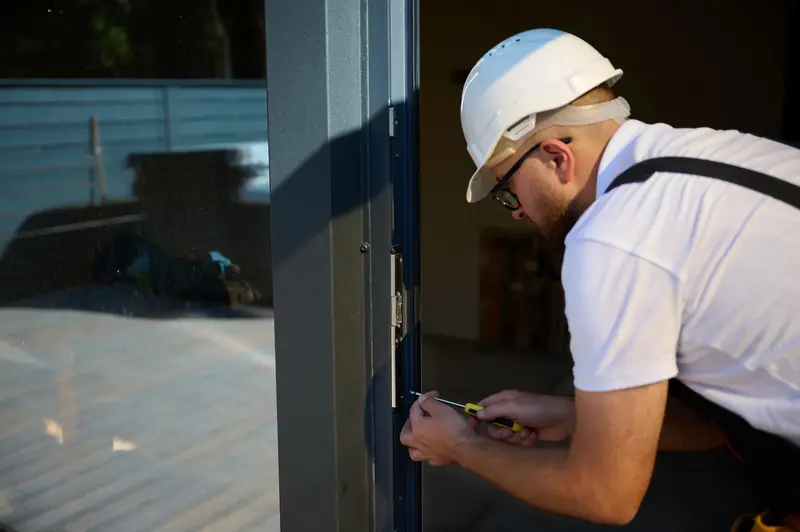
Match the lock grade to the door
Entrances, corridors and restrooms need commercial hardware. BHMA/ANSI Grade 1 is the heaviest commercial grade and the safer choice for high-traffic doors. A lighter lock costs less at the start but tends to fail sooner on a door that cycles all day.
Keep the closer adjusted
A closer that slams the door drives the latch into the strike and shakes fasteners loose. A closer that is too weak leaves the door unlatched. Setting the closing and latching speeds correctly protects the lock as much as it protects the door.
Keep a key record
Track who holds which keys and when cores or cylinders were changed. A simple list of key numbers and holders makes rekeying after an employee leaves faster, and it keeps the key system from slipping out of control.
Lubricate on a schedule
Cylinders and latches benefit from light lubrication with a product made for locks rather than general oil. Doing it during regular maintenance keeps keys turning smoothly and slows wear on the pins and latch parts.
We don't quote flat prices without seeing the door. These factors set the scope.
- Lock type and function
- Swapping a cylinder or cam is a small job. Replacing a full mortise lock body, or changing a door to a different lock function, takes more parts and labor. The function you need, such as classroom, storeroom, office or passage, also decides which parts are required.
- Key system
- A standalone lock can be rekeyed on its own. A lock that is part of a master key or interchangeable core system has to be keyed to fit that system, which may require the system records or coordination with whoever manages the building keys.
- Door alignment and frame condition
- If the lock failed because the door sagged or the frame shifted, the alignment has to be corrected as well. Otherwise a new lock will fail the same way. Damage around the strike or the door edge from prying also adds to the scope.
- Parts availability
- Common commercial locks from major manufacturers usually have parts available. Older, discontinued or unusual locks may need full replacement because the body or trim is no longer made, and sometimes a retrofit is needed to fit the existing door prep.
- Access control and electrified hardware
- Locks tied to card readers, keypads or electric strikes involve wiring and power supplies as well as mechanical parts. That work has to be coordinated with whoever manages the access control system so the door still responds to credentials afterward.