
Call for door repair(984) 217-8021

Service 08 of 09 · Charlotte, NC

Emergency Commercial Door Repair in Charlotte, NC

After a break-in, a vehicle impact or a storm, the first job is making the opening secure. Then the damaged lock, strike, frame or door gets properly repaired. If your Charlotte business has a door that won't lock or close right now, call and say it's a security issue.

Symptom → cause → fix

What's wrong with the door?

Match what you're seeing to the usual cause. We confirm on site before replacing anything.

Emergency Commercial Door Repair: common symptoms in Charlotte buildings
SymptomLikely causeTypical fix
Door was pried openBent strike, damaged frame or broken latchSecure the opening, then repair the strike, frame and lock
Glass broken in a storefront doorImpact or forced entrySecure the opening; order and install replacement glass
Door won't close after an impactBent frame, leaf or hingesMake it close and lock, then plan the permanent repair
Storm blew a door open and broke the armCloser arm or stop overloadedReplace the closer arm or stop and check the hinges

The basics

How it works and why it fails

An emergency door repair has two goals that happen in order. The first is to make the opening secure so the building can be left overnight or kept open safely. The second is to repair the damage properly so the door works the way it did before. Keeping those two stages separate is useful. It lets you lock up tonight without committing to a full repair you have not had time to think about, and it gives time to order the right glass, lock or frame parts.

Forced entry usually damages the weakest point, not the whole door. On a hollow metal door that is often the strike area of the frame, where a pry bar bends the stop and pulls the strike away from the latch. On an aluminum storefront door it is often the glass, the lock cylinder or the narrow stile around the lock. A vehicle impact or a storm load tends to bend frames and hinges instead. Knowing what was hit tells us what is likely to need repair and what can probably be saved.

For a Charlotte business owner, the hours after damage are usually spent on calls: police, insurer, landlord and staff. A clear record of the door's condition helps with all of them. We look at each part of the opening, note what was damaged, and explain what was done to secure it and what the permanent repair will involve. That gives you a plain description of the work to share with whoever needs it, and you know what still has to happen before the door is back to normal.

The parts that matter

Emergency Commercial Door Repair: components and how they fail
PartWhat it doesHow it fails
Strike plateThe metal plate in the frame that the latch or bolt engages.Prying bends it or tears it out of the frame. The door may close but not lock, or the latch catches so shallowly that the door can be pushed open.
Frame stop and jambThe jamb holds the strike, and the stop is the raised lip the door closes against.A pry bar bends the stop away and spreads the jamb. You see a gap at the lock side, fresh tool marks and a door that no longer sits flat in the frame.
Latch and deadboltHold the door closed and locked once it shuts.Forced entry snaps or bends the bolt or damages the lock body inside the door. The key turns but the bolt will not extend, or it sticks partway out.
Glass liteThe glass panel in a storefront door or a vision panel in a solid door.Impact shatters or cracks it. Tempered glass breaks into small pieces and leaves the opening exposed, while laminated or wired glass may crack but stay mostly in place.
Temporary securing (plywood board-up)Closes an opening that cannot be made secure with the existing door or glass until permanent parts arrive.A rushed board-up can be pried off or uses screws that can be reached from outside. It can also block an exit that needs to stay usable, so how and where it is fastened matters.
Closer arm and overhead stopControl the door's swing and stop it from opening too far.Wind or a forced push overloads them. The arm bends or snaps, the stop breaks loose, and the door swings into the wall or will not close on its own.

On-site diagnosis

What we check

Can it lock tonight?

First priority: the door closes, latches and locks.

Extent of damage

Lock, strike, frame, glass and door leaf each assessed and documented.

Permanent repair

Scope and any parts to order, explained so you can plan and claim.

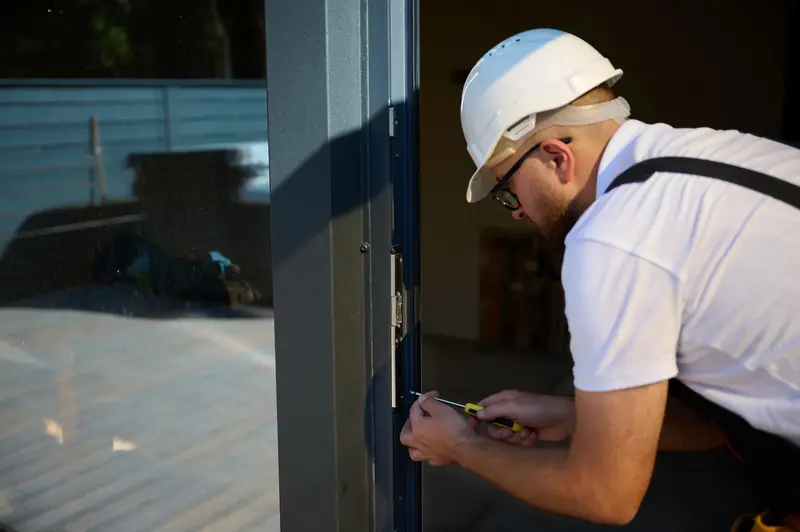
Technician repairing the lock and latch of a commercial door damaged after a break-in
Securing the opening comes first. The permanent repair follows once the damage is assessed.

Repair or replace?

Many forced-entry repairs come down to a new strike, lock and latch, plus straightening or reinforcing the frame. A buckled leaf or a frame torn from its anchors usually needs replacing. Take photos before any work starts if you're filing an insurance claim.

Emergency Commercial Door Repair in Charlotte

Break-ins at storefronts along Central Avenue, South Boulevard and North Tryon tend to happen overnight, when getting the door secured quickly matters most. Call the police first if a crime has occurred, then call us to secure the opening.

Step by step

How an emergency commercial door repair visit works

  1. Tell us what happened

    When you call, say whether the door can lock right now, what was damaged and whether police have been called or are still on site. That tells us what to bring, such as plywood, strikes, cylinders or closer arms, and whether we need to wait for police to release the scene before anything is touched.

  2. Assess the opening

    On arrival we check the door, frame, hinges, lock, strike and any glass. We also look for damage that is easy to miss: a frame that looks straight but has broken loose from its anchors, or a latch that catches but can be slipped. Each item is noted so the plan matches what actually happened to the door.

  3. Secure it

    The priority is a door that closes and locks. That might mean resetting a bent strike, replacing a damaged cylinder, re-hanging the door on its hinges or fitting temporary hardware. If glass is gone or the frame cannot hold a lock, we board the opening with plywood fastened so it cannot be removed easily from outside.

  4. Explain the permanent repair

    Once the opening is secure, we explain what the permanent repair involves: which parts are needed, whether anything has to be ordered, and whether the door or frame can be repaired or needs replacing. You get this in plain terms so you can decide, share it with your landlord or insurer, and plan around your business hours.

  5. Complete the repair

    On the return visit the board-up or temporary hardware comes off and the permanent parts go in. We test the door for a smooth swing, full closing, latching and locking, and check that the exit side still opens freely. Damaged parts are removed, unless you want them kept for your own records.

Safe checks

What you can check before you call

A few minutes of observation makes the phone call faster and the diagnosis more accurate.

Do Safe

  • Photograph the door, frame, lock, glass and any marks on the outside before anything is moved or repaired. Take wide shots and close-ups.
  • Check whether the door closes, latches and locks with the key or thumbturn, and note exactly which part does not work.
  • Look at the frame on the lock side for bending, gaps or movement in the wall. Describing this when you call helps us bring the right parts.
  • Keep people away from broken glass and note any glass still in the frame that looks loose or cracked.

Don't Avoid

  • Do not clean up or touch the damaged area before police have finished if a crime occurred. You may disturb evidence they need.
  • Do not pull loose glass out of a frame by hand. Broken glass can drop without warning and cause serious cuts.
  • Do not chain, padlock or nail a required exit door shut to secure it. Blocking an exit puts anyone inside the building at risk.

Expert answers

Emergency Commercial Door Repair: the decisions that matter

What to do in the first hour after a break-in

Start with people. If anyone is inside, or you think the intruder might still be there, stay out and call 911. Once the scene is safe, report it to the police. Do not move anything until they say you can, because pry marks, footprints and the position of the door can matter to them. Write down the report number. Next, photograph everything from outside and inside: the full door, the frame on the lock side, the lock, the strike, any glass and any tool marks. Photos taken before repairs are the best record you will have for your landlord or insurer. Then check what still works. Does the door close? Does it latch? Will the lock turn? Note anything missing, such as a cylinder or thumbturn. When you call us, give the exact Charlotte address, which door was hit and whether it can lock right now. If your space is in a strip center along Central Avenue or South Boulevard, let your neighbors know, since rear doors on the same row are sometimes tried as well. Finally, decide who will stay on site until the opening is secure, because an unlocked door is the immediate problem.

Board-up or same-visit repair: how is that decided?

Whether a door can be fully repaired on the first visit depends on parts and damage, not effort. Many forced-entry repairs use common parts: strikes, cylinders, latch sets, closer arms and hinges. If the frame is straight enough to hold a lock and the door still fits, those parts can often be replaced the same visit and the door goes back into service. A board-up is the right call when the opening cannot be made secure with what is there. That usually means missing or shattered glass, a frame pulled from its anchors, a door leaf bent so it no longer fits, or a lock or exit device that has to be ordered to match the existing hardware or key system. Plywood is cut to cover the opening, fastened so it cannot be removed from outside, and placed so any required exit can still be used. A board-up is temporary. It buys time to order made-to-measure glass or replacement hardware and to schedule the permanent repair at a time that suits the business. We explain which path applies before starting, so you know what the opening will look like overnight and what happens next.

Make it last

How to prevent the next failure

Reinforce the strike side

Most pry attacks target the gap between the door and the frame at the lock. A latch guard or reinforced strike, on a properly aligned door, makes that gap much harder to work. Check that the latch throws fully into the strike, not just partway.

Keep doors in alignment

A sagging door that barely latches is easier to force. Loose hinges and a strike that someone has filed so the door will close are signs the opening needs adjustment. Fixing alignment early keeps the full length of the latch engaged.

Light the entrances

Doors in dark alcoves or behind landscaping give someone time to work unseen. Good lighting at front and rear doors, with plants trimmed back, makes forced entry less attractive. This matters most for back-of-house doors on alleys and loading areas.

Plan for vehicles and wind

Storefronts facing parking spaces benefit from bollards or wheel stops, which your property owner may need to approve. On windy days, a working closer and overhead stop keep doors from being caught and thrown open. Replace a weak closer arm before a gust breaks it.

What affects the cost of emergency commercial door repair

We don't quote flat prices without seeing the door. These factors set the scope.

What was damaged
A bent strike and a damaged lock cylinder are a much smaller job than a buckled door leaf or a frame torn loose from its anchors. The number of parts affected, and whether each one can be repaired or must be replaced, sets most of the scope.
Securing method needed tonight
If the door can be made to lock with adjustments or a replacement cylinder, the first visit is shorter. If glass is out or the frame cannot hold a lock, a board-up comes first and the permanent repair becomes a separate visit once parts are ready.
Glass type and size
Storefront glass is often tempered and made to order, and some doors use laminated or insulated units. The glass type, its size and how it is set into the frame affect how long a board-up stays in place and what the replacement involves.
Door and frame material
Hollow metal, aluminum storefront and wood doors are repaired differently. Hollow metal frames can sometimes be straightened and reinforced. Aluminum stiles tend to deform in ways that are harder to correct. The material often decides whether repair is realistic or replacement is needed.
Time of day and access
Damage found overnight or on a weekend may mean the first visit focuses on securing the opening, with the permanent repair waiting for parts and business hours. Access issues, such as an active police scene or a locked shopping center, also affect when work can start.

Before you call

Have this ready

These details let us scope the job on the phone and send the right parts.

Call (984) 217-8021
  1. Whether the door can lock right now
  2. What's damaged: glass, lock, frame or door
  3. Whether police have been called, if it was a break-in
  4. Your exact address in Charlotte

FAQ

Emergency Commercial Door Repair questions

What should I do first after a break-in?

Make sure everyone is safe and call the police. Photograph the damage. Then call us to secure the door and assess the repair.

Can the damaged door be fixed or does it have to be replaced?

It depends on the damage. Bent strikes and broken locks are common repairs. A torn frame or buckled door may need replacing. You'll get the options once it's assessed.

Will you document the damage for insurance?

We'll describe what was damaged and what the repair involves so you can pass it to your insurer. The claim itself is between you and your insurance company.

Can you secure a door without boarding it up?

Often, yes. If the frame still holds a lock and the door fits, a new strike, cylinder or latch can usually make it lockable again. A board-up is used when glass is missing or the frame or door is too damaged to hold a lock. We explain which applies after looking at the opening, so a door is not boarded when a repair would do.

Do I need to rekey after a break-in?

If keys were stolen, a cylinder was forced, or you are not sure who has keys, rekeying or replacing cylinders is worth considering. A forced cylinder often has to be replaced anyway. If only the strike or frame was damaged and every key is accounted for, rekeying may not be needed. Ask about it when the lock is assessed.

What if my landlord is responsible for the door?

Many Charlotte leases split door responsibilities between tenant and landlord. Securing the opening comes first either way, so a damaged door is not left open overnight. Tell your property manager as soon as you can and share the description of the damage and the repair scope. They may want to approve the permanent repair or use their own vendor for it.

Will the exit side still open after a board-up?

It should, if that door is a required exit. Boards are placed so the opening is secure from outside without trapping anyone inside. Where a door must stay usable as an exit, we look for a way to cover the damaged area, such as the glass, while keeping the door and its hardware working from the inside.

Related door repairs

Need emergency commercial door repair in Charlotte?

Call and describe what the door is doing. We'll tell you what's likely wrong and get it fixed.

Call (984) 217-8021
Commercial door repair · CharlotteTap to call (984) 217-8021