
Call for door repair(984) 217-8021

Service 09 of 09 · Charlotte, NC

Commercial Door Maintenance in Charlotte, NC

Scattered complaints about doors that stick, slam or don't latch usually mean wear across the whole building. Planned maintenance looks at every opening, fixes the small problems before they become emergencies, and gives you a prioritized repair list. We maintain commercial doors for Charlotte property managers and business owners.

Symptom → cause → fix

What's wrong with the door?

Match what you're seeing to the usual cause. We confirm on site before replacing anything.

Commercial Door Maintenance: common symptoms in Charlotte buildings
SymptomLikely causeTypical fix
Staff keep reporting the same doorUnderlying alignment or closer problemFix the root cause, not just the latest symptom
Hardware keeps working looseHigh traffic, wrong fasteners or a weak mounting surfaceRe-anchor properly and upgrade where needed
Many doors need small fixesNormal wear that hasn't been servicedAdjust, lubricate and tighten in one visit
Inspection is coming upFire doors and exit hardware need attentionPre-inspection check and repairs

The basics

How it works and why it fails

Commercial doors wear gradually. A closer loses a little control each month, hinge screws back out, an exit device starts needing a harder push, a sweep tears. None of it is urgent on its own, so it gets ignored until the door slams, sticks or will not lock. Planned maintenance deals with that slow wear on a schedule. Each door is checked, adjusted and lubricated where needed, and parts close to failing are flagged before they give out during business hours or on a holiday weekend.

The value comes from seeing the whole building at once. When one person reports one door, you fix one door. When every opening is checked and recorded, patterns show up. All the doors on one side of the building sag, the entrance closers are all the same age, or the rear exit devices are corroding. That information lets you replace parts in planned batches, budget for them ahead of time, and stop paying for repeat calls to the same opening.

For a Charlotte property manager or business owner, maintenance also ties in with inspections. Fire doors need their annual inspection, and exit hardware has to work every time someone pushes it. A building whose doors are serviced on a schedule tends to have fewer surprises when the inspector walks through. It also gives tenants and staff doors that close quietly, lock reliably and keep the weather out, which is most of what anyone wants from a door.

The parts that matter

Commercial Door Maintenance: components and how they fail
PartWhat it doesHow it fails
Door closerControls how fast the door closes and makes sure it reaches the latch.Closers drift out of adjustment and eventually leak oil. Doors start slamming, closing too slowly, or stopping short of the latch.
Hinges and pivotsCarry the door's weight and let it swing.Bearings wear and screws loosen, so the door sags. It starts rubbing the frame at the top on the latch side or dragging at the bottom.
Exit deviceLets people leave by pushing a bar or touchpad.Internal parts wear and rods bend. You notice a bar that needs a hard push or sticks down, or a door that does not latch at the top or bottom.
Weatherstripping and door sweepsSeal the gaps around and under the door against air, water and pests.They compress, tear or fall off with traffic. You see daylight around the closed door, feel drafts, or find water inside after heavy rain.
ThresholdBridges the floor at the opening and gives the sweep something to seal against.Thresholds loosen, crack or corrode under foot and cart traffic. They become a trip hazard or leave a gap the sweep cannot close.
Door stop or holderStops the door from hitting the wall, or holds it open where that is allowed.Stops break loose from floors or walls, and holders wear out. The door hits the wall and strains the closer, or will not stay open when it should.

On-site diagnosis

What we check

Opening inventory

Each door listed by location, type, hardware and condition.

Operation check

Swing, closing speed, latching, locking and visible wear.

Priorities

Safety and security problems separated from planned replacements.

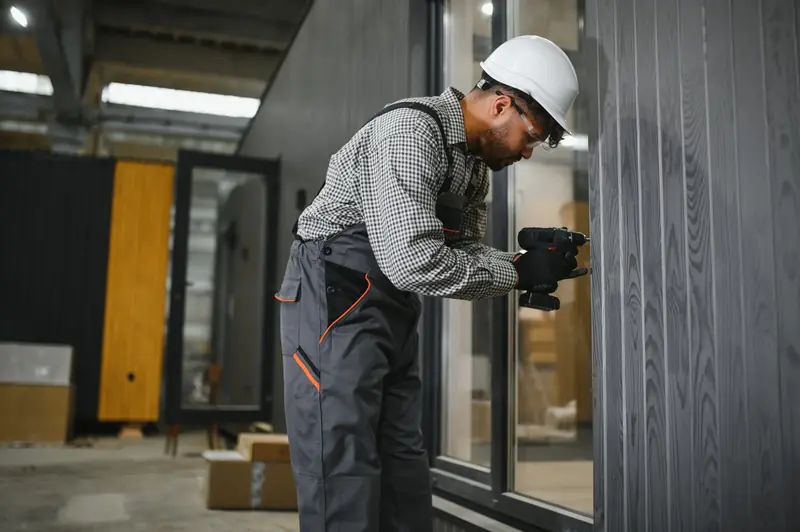
Technician servicing a commercial door and frame during scheduled maintenance in Charlotte
Each opening is recorded by location, type and condition, so problems that keep coming back become visible.

Repair or replace?

Maintenance extends hardware life by catching wear early. It also shows which closers, hinges or devices are about to fail, so replacements can be budgeted instead of handled as emergencies.

Commercial Door Maintenance in Charlotte

Property managers with multi-tenant offices in SouthPark, Ballantyne and Uptown, and with retail centers along Independence Boulevard and Monroe Road, often have dozens of doors that see different traffic. Service frequency depends on the doors. Busy entrances need more attention than back-of-house doors.

Step by step

How a commercial door maintenance visit works

  1. Build the door list

    On the first visit we walk the building and record every opening by location, door type, hardware and condition. Entrances, stairwells, corridors, restrooms, mechanical rooms and rear exits all go on the list. It becomes the base for every later visit, so whoever services the building knows exactly what is installed where.

  2. Check each opening

    Every door is opened and closed several times. We watch the swing, closing speed, latching and locking. We look at hinge wear, check the closer for leaks, push the exit device to feel for binding, and check weatherstripping and sweeps for gaps. Doors staff have complained about get extra attention to find the cause.

  3. Adjust, tighten and lubricate

    Small problems are fixed on the spot. Closer speeds are reset, loose hinge and hardware screws are tightened or re-anchored, pivots and latches are lubricated where appropriate, and strikes are aligned. Most of a maintenance visit is this kind of adjustment, and it is what keeps hardware from wearing out early.

  4. Flag what needs repair or replacement

    Anything beyond a quick adjustment is noted rather than done without approval. That includes leaking closers, worn hinges, failing exit devices and damaged thresholds. Each item is marked as a safety, security or comfort issue, so you can see which need handling first and which can wait for the budget.

  5. Report and schedule the next visit

    You get a door-by-door report showing what was checked, what was adjusted and what is still outstanding. The next visit is set by how hard the doors are used. Busy entrances may need shorter intervals, while quiet interior doors can go longer between checks without trouble.

Safe checks

What you can check before you call

A few minutes of observation makes the phone call faster and the diagnosis more accurate.

Do Safe

  • Keep a simple log of door complaints from staff and tenants with the location and date. Repeated entries point to the doors that need attention.
  • Walk the building and release each main door from fully open. Note any that slam, stop short or do not latch.
  • Look for oil stains on closers or on the floor beneath them. A leaking closer is usually near the end of its life.
  • Check entrances after heavy rain for water inside the threshold and for daylight around the edges of closed doors.

Don't Avoid

  • Do not spray general-purpose lubricant into closers or lock cylinders. Some products attract dirt or gum up mechanisms, so leave lubrication to the maintenance visit.
  • Do not turn closer adjustment valves without knowing which one does what. Opening a valve too far can make the door slam or let the closer lose fluid.
  • Do not remove door stops or holders to fix a sticking door. They protect walls and hardware, and the real problem is usually alignment.

Expert answers

Commercial Door Maintenance: the decisions that matter

Building a door inventory for a Charlotte property

A door inventory is a list of every opening in the building, and it is the most useful document a maintenance program produces. Each entry gives the door a unique number tied to a location, such as the floor and the room or corridor it serves. It records the door type: hollow metal, aluminum storefront, wood or all-glass. It notes whether the opening is fire rated and, if the label is readable, the rating. Then it lists the hardware: hinges or pivots, closer, lock or exit device, any electric strike or card reader, stops, holders, sweeps and threshold. Finally it records condition and open issues. With that list in place, a work order can say 'door 3-07, closer leaking' and anyone can find it. Repeat problems stand out because the same number keeps appearing. For a building in Uptown or a retail center along Independence Boulevard, the inventory also helps when tenants change, because you know what hardware is on each suite door before renovation starts. Update it after every visit and every repair, or it quickly stops matching the building.

How often does each type of door need attention?

There is no single schedule, because use and exposure matter more than the calendar. Main entrances usually need the most attention. They cycle constantly, carry heavy glass or aluminum leaves and face the weather, so closers, pivots, sweeps and thresholds wear quickly. Many buildings check them several times a year. Stairwell and corridor fire doors see moderate traffic but have a strict job: they must self-close and latch every time. They need their annual inspection under NFPA 80 at minimum, and a quick check between inspections catches damage from propping. Rear exits and service doors take abuse from carts, deliveries and rain, and their exit devices and frames are prone to damage, so check them whenever the entrances are serviced. Restroom and suite doors are moderate use and mainly need closer adjustment and hinge tightening. Mechanical, electrical and storage room doors are rarely used, but many are rated, so they should not be skipped. Humid summers and heavy summer storms in Charlotte add wear to exterior weatherstripping and to steel frames near the ground, which is worth watching on any door exposed to rain.

Make it last

How to prevent the next failure

Match service to traffic

Not every door needs the same schedule. A main entrance in an Uptown office lobby may open and close all day long, while a mechanical room door barely moves. Set intervals by use, so busy doors are checked often and quiet ones are not over-serviced.

Fix the cause of repeat complaints

When the same door comes up again and again, the real problem is usually alignment, a worn hinge or a closer that is wrong for the door's size and weight. Correcting the cause is better over time than repeated adjustments that only hide the symptom.

Stop prop-open habits

Doors propped with wedges or trash cans strain closers and hinges and let weather in. If staff need a door to stay open, a proper holder is better than a wedge. On fire doors, only a hold-open device that releases on alarm is acceptable.

Plan replacements in batches

Use the maintenance report to group replacements. If several closers of the same age are weakening, replace them together. You get consistent hardware, fewer service calls and a predictable budget across the year instead of one failure after another.

What affects the cost of commercial door maintenance

We don't quote flat prices without seeing the door. These factors set the scope.

Number of openings
The count of doors sets the base time for each visit. A small office with a handful of doors is a short visit. A multi-tenant building in SouthPark or Ballantyne with stairwells, suites and service corridors takes longer to walk, test and record properly.
Visit frequency
How often doors are serviced depends on traffic and hardware. More frequent visits mean more trips but less work each time. Less frequent visits tend to find more wear that has built up, which then has to be fixed all at once.
Hardware condition at the start
A building whose doors have not been serviced in years usually needs more work on the first visit, including replacement parts. Later visits tend to be lighter once the worn hardware has been dealt with and the door list is in place.
Fire doors and exit hardware
Buildings with many rated doors and panic devices need closer attention to self-closing, latching and exit operation. Including fire door items in the visit adds time, but it avoids a separate effort before the annual inspection and the deficiencies that follow.
Repairs approved during the visit
Adjustments are part of the maintenance work. Replacement parts and larger repairs are scoped separately. Whether you approve them on the day or schedule them later changes how much of the work happens in one trip and how parts are ordered.

Before you call

Have this ready

These details let us scope the job on the phone and send the right parts.

Call (984) 217-8021
  1. Approximate number of doors
  2. Building type and how busy it is
  3. Any inspection reports or past repair notes
  4. The doors staff complain about most

FAQ

Commercial Door Maintenance questions

How often should commercial doors be serviced?

It depends on traffic, environment and the hardware. Busy entrances may need attention several times a year, quiet interior doors less often. Fire doors need their annual inspection regardless.

Do I get a report?

Yes. Each visit produces a door-by-door list of what was serviced, what's wearing out and what needs repair, in priority order.

Can maintenance be combined with repairs?

Yes. Minor adjustments are made during the visit. Larger repairs are quoted separately so you can approve them.

What is included in a maintenance visit?

Each door is checked for swing, closing speed, latching and locking. Closers are adjusted, hinges and hardware are tightened, moving parts are lubricated where appropriate, and seals and thresholds are inspected. Anything that needs a part or more time is listed in the report with a priority, so you can decide what to approve and when.

Can maintenance cover only some of our doors?

Yes. Some owners start with the busiest openings, such as entrances, rear exits and stairwells, and add the rest later. Even so, a full building inventory on the first visit is useful when only part of the building is serviced on a schedule, because it shows what is installed and where problems are likely to appear next.

Does a maintenance visit replace the annual fire door inspection?

Not automatically. NFPA 80 calls for each fire door assembly to be inspected and tested at least once a year by a knowledgeable person, with records kept. A maintenance visit can cover those items and help doors pass, but the inspection has to be documented in a way that meets the requirements for your building, so confirm how it will be recorded.

Will maintenance disrupt our tenants or customers?

Most adjustments take a few minutes per door, and doors stay usable for most of the work. Visits can be planned around busy hours, starting with back-of-house doors and leaving entrances for quieter times. If a door has to be out of service for a repair, that is arranged in advance so staff and tenants can use another route.

Related door repairs

Need commercial door maintenance in Charlotte?

Call and describe what the door is doing. We'll tell you what's likely wrong and get it fixed.

Call (984) 217-8021
Commercial door repair · CharlotteTap to call (984) 217-8021