Charlotte, NC · Commercial doors only
Commercial Door Repair in Charlotte, NC
We repair the doors Charlotte businesses depend on: storefront entrances, door closers, panic bars, commercial locks, steel doors and frames, and automatic and fire-rated doors. Tell us what the door is doing and we'll tell you what's likely failing. Then call.
- Charlotte city only
- Repair before replacement
- Talk to a person, not a form
Door Problem Finder · 12 common symptoms
What is your door doing?
Pick the symptom that matches your door. You'll see the part that usually causes it, how urgent it is, and what to say when you call.
Diagnosis ticket
Pick a symptom to see the diagnosis
- See the part that usually causes it
- See how urgent it is
- Get the words to use when you call
Door won't close all the way or latch
- Likely part
- Closer adjustment, or the latch missing the strike
- Urgency
- The door is failing its basic job.
- Tell us
- The door stops short or bounces off the frame without latching. Tell us if it's an exterior door.
- Repair
- Door Closer Repair
Door slams shut
- Likely part
- Door closer (speed or latch valve, or a leaking body)
- Urgency
- It'll get worse and cost more if it waits.
- Tell us
- Mention any oil on the closer body or the floor under it.
- Repair
- Door Closer Repair
Glass storefront door drags or sags
- Likely part
- Worn pivots, hinges or a dropped door leaf
- Urgency
- It'll get worse and cost more if it waits.
- Tell us
- Tell us whether the door scrapes at the bottom or at the latch-side top corner.
- Repair
- Storefront Door Repair
Key turns but the door won't lock
- Likely part
- Lock cylinder, cam, or latch-to-strike alignment
- Urgency
- Security or exit safety is affected.
- Tell us
- Tell us whether it locks while the door is open. That separates a lock fault from an alignment fault.
- Repair
- Commercial Door Lock Repair
Panic bar sticks or won't release
- Likely part
- Exit device mechanism or latch retraction
- Urgency
- Security or exit safety is affected.
- Tell us
- This is an exit door that won't open properly. Mention whether it's a single door or a pair.
- Repair
- Panic Bar & Exit Device Repair
Exit door won't relatch after use
- Likely part
- Exit device latch, vertical rods or strike
- Urgency
- Security or exit safety is affected.
- Tell us
- Mention whether the device has rods running to the top and bottom of the door.
- Repair
- Panic Bar & Exit Device Repair
Automatic door won't open, stops or reverses
- Likely part
- Operator, activation or safety sensor fault
- Urgency
- Security or exit safety is affected.
- Tell us
- Give the manufacturer name on the header and say whether it slides or swings.
- Repair
- Automatic Door Repair
Steel back door rubs, or hinge screws are pulling out
- Likely part
- Hinge reinforcement or a sagging hollow metal leaf
- Urgency
- It'll get worse and cost more if it waits.
- Tell us
- Tell us where the door rubs: hinge side, latch side, or top.
- Repair
- Steel (Hollow Metal) Door & Frame Repair
Door frame is rusted or bent at the bottom
- Likely part
- Hollow metal frame (jamb base or anchors)
- Urgency
- Not urgent, but worth fixing before it turns into one.
- Tell us
- Mention whether the door still closes and locks.
- Repair
- Steel (Hollow Metal) Door & Frame Repair
Fire door doesn't close and latch on its own
- Likely part
- Closer, coordinator, or latching hardware on a rated assembly
- Urgency
- The door is failing its basic job.
- Tell us
- Read us the label on the door edge or frame if you can find it.
- Repair
- Fire Door Repair
Door was forced or damaged in a break-in
- Likely part
- Lock, strike, frame or glass, plus securing the opening
- Urgency
- Security or exit safety is affected.
- Tell us
- Tell us whether the door can lock right now.
- Repair
- Emergency Commercial Door Repair
Several doors keep having the same problems
- Likely part
- Wear across the building's openings
- Urgency
- Not urgent, but worth fixing before it turns into one.
- Tell us
- Give a rough count of doors and which ones staff complain about.
- Repair
- Commercial Door Maintenance
Quick facts
Commercial door repair in Charlotte at a glance
Service area
Charlotte, North Carolina only. Call to confirm your address.
Doors covered
Commercial pedestrian doors and their hardware: storefronts, closers, exit devices, locks, steel doors and frames, automatic entrances and fire-rated doors.
Not covered
Homes, overhead garage doors and loading dock doors.
How to reach us
By phone only, with no contact form: (984) 217-8021
Pricing
No flat prices are published. Cost depends on the part that failed, part availability, the door type and rating, hidden damage and how many doors need work.
Codes that shape the repair
2010 ADA Standards for closing speed and opening force, and NFPA 80 for fire doors, which the North Carolina Fire Code references.
9 repair types · Charlotte, NC
Commercial doors we repair in Charlotte
Each repair has its own page that covers the symptoms, the parts we check, and when a repair stops making sense.
- 01Storefront Door RepairAluminum-and-glass entries that drag, sag or won't latch.
- 02Door Closer RepairDoors that slam, drift open or stop short of the latch.
- 03Panic Bar & Exit Device RepairPush bars that stick, won't release, or won't relatch.
- 04Commercial Door Lock RepairLocks that won't secure, keys that turn without locking.
- 05Steel (Hollow Metal) Door & Frame RepairSteel back doors and frames that rub, sag or rust.
- 06Automatic Door RepairSliding and swing operators that stall, reverse or won't open.
- 07Fire Door RepairRated doors that won't self-close, latch or pass inspection.
- 08Emergency Commercial Door RepairBreak-ins, vehicle hits and doors that won't lock tonight.
- 09Commercial Door MaintenancePlanned service for buildings with many doors.
Know your door
Commercial door types in Charlotte buildings
The door type decides which parts can fail, which rules apply, and which repair page you need.
Aluminum storefront doors
Narrow or medium stile aluminum frames with glass. Common on retail, restaurant and office entrances. They usually hang on pivots and lock with a narrow deadbolt operated by a key cylinder.
Common failures: Pivot wear, drag on the threshold, and latch misalignment.
Storefront Door Repair →Hollow metal (steel) doors
Steel doors in steel frames, used for back doors, stairwells, mechanical rooms and loading areas. Built to take abuse, but their hinges and frames still wear out.
Common failures: Sagging leaves, stripped hinge reinforcement, and rusted frame bases.
Steel (Hollow Metal) Door & Frame Repair →Fire-rated doors
Steel or wood doors with a label showing a tested rating. They must close and latch by themselves, and they're inspected every year.
Common failures: Closers that don't close fully, latches that don't engage, and missing coordinators on pairs.
Fire Door Repair →Automatic entrances
Sliding or swinging doors driven by an operator, with sensors for activation and safety. Common in clinics, groceries, hotels and office lobbies.
Common failures: Sensor faults, worn rollers, and doors that stop or reverse mid-cycle.
Automatic Door Repair →Exit doors with panic hardware
Any door fitted with a push bar so people can get out with one push. Required on many assembly, educational and high-occupancy spaces.
Common failures: Sticking bars, latches that won't retract, and pairs that won't relatch.
Panic Bar & Exit Device Repair →Interior office and suite doors
Usually wood or steel doors with lever locksets or mortise locks, in offices, clinics and multi-tenant buildings.
Common failures: Loose or drooping levers, worn latches, and closers set too stiff for ADA.
Commercial Door Lock Repair →Phone first
What happens when you call
No forms and no waiting for a callback. You describe the door, we ask the right questions, and the job is scoped before anyone arrives.
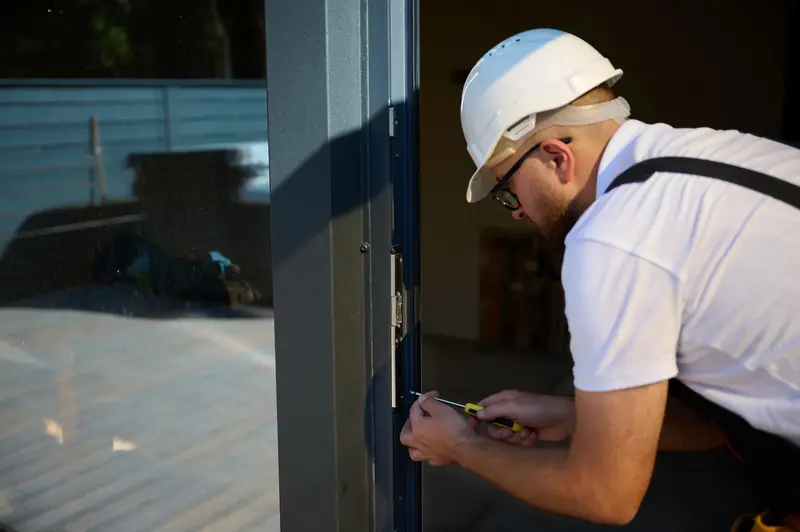
Call (984) 217-8021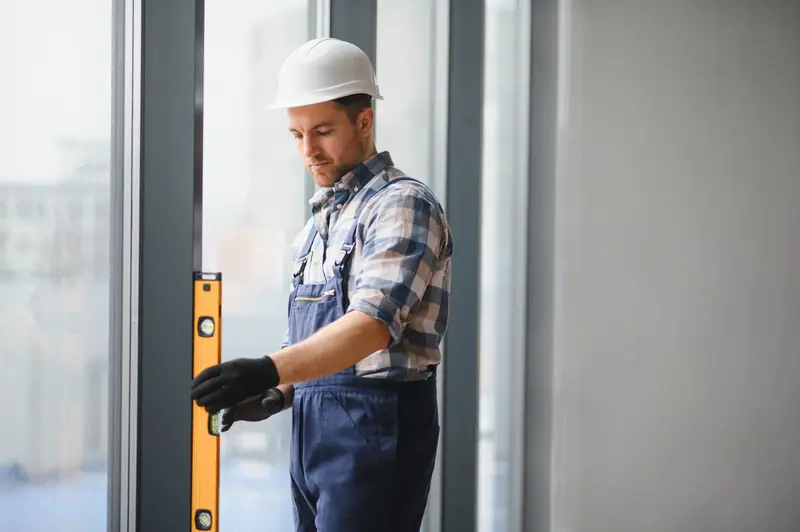
You call
Tell us the building's location in Charlotte, the door type and what it's doing. A photo or the hardware brand helps if you have one.
We narrow it down
Most door problems trace back to one of four things: the closer, the hinges or pivots, the latch and strike, or the frame. We work out which one before anyone drives over.
On-site diagnosis
The technician watches the door through a full cycle, checks alignment and hardware, and explains what failed and why.
Repair or a clear quote
Common parts get fixed on the spot where possible. If parts have to be ordered, you get the scope in writing and the door is left secure in the meantime.
Honest scope
Repair it or replace it?
Most commercial door problems are repairs, not replacements. Here's how we decide.
Usually repairable Repair
- Door drags or sags because of worn pivots or hinges
- Closer slams or drifts and the body isn't leaking
- Latch misses the strike
- Panic bar sticks but the device housing is intact
- Automatic door reverses because of a sensor or adjustment fault
Often time to replace Replace
- Closer leaks oil from the body
- Hinge reinforcement has torn out of a steel door
- Frame is rusted through at the base
- Exit device has a cracked chassis or obsolete parts
- Glass or door leaf is structurally damaged
Why repairs fail
A commercial door is a system, not a slab
Most repeat door problems come from fixing one part while ignoring the parts it depends on. Every commercial opening has four working groups, and a fault in one shows up as a symptom in another.
The door leaf
The door itself: aluminum and glass, hollow metal steel, or solid wood. Its weight and size set the load on everything else. A leaf that has dropped or bowed throws off the latch, the closer and the seals at the same time.
The frame
The jambs, head and stops the door closes into, anchored to the wall. A loose or rusted frame moves the strike out of line, so a 'lock problem' is often really a frame problem.
Hanging hardware
Hinges, pivots or a continuous hinge carry the full weight of the door on every swing. When they wear, the door sags toward the latch side and starts to drag, rub or miss the strike.
Closing and latching hardware
The closer, the lock or exit device, and the strike. These get blamed first because they're where the symptom shows, but they can only work if the leaf, frame and hinges are sound.
That's why our diagnosis starts by watching the whole door cycle, then works from the hinges to the latch. Replacing a lock on a sagging door fixes nothing for long.
ADA · NFPA 80 · Egress
Rules that shape a commercial door repair
A repair isn't finished until the door meets the rules that apply to it.
Closing speed
Under the 2010 ADA Standards, a closer has to take at least 5 seconds to move a door from 90° open to 12° from the latch. A closer that slams fails that test.
Opening force
The ADA caps the opening force on interior hinged doors at 5 pounds. Overtightened closers on office and clinic doors often exceed it.
Fire doors
Fire door assemblies are inspected and tested every year under NFPA 80, which the North Carolina Fire Code references. A fire door that doesn't close and latch on its own fails.
Exit hardware
Panic hardware has to release with a single push. Fire-rated doors need listed fire exit hardware, so you can't swap in any device that fits the holes.
No surprise scope
What affects the cost of a commercial door repair
We don't publish flat prices because two jobs that look alike over the phone can be very different on site. These are the factors that set the scope.
- Which part has failed
- Adjusting a closer or re-setting a strike is a small job. Replacing a pivot set, an exit device or a frame section takes more time and parts.
- Part availability
- Common closers, cylinders and hinges can often be fitted on the first visit. Discontinued exit devices, special finishes or fire-rated parts may need to be ordered.
- Door type and rating
- Fire-rated doors need listed parts and methods that keep the rating. Automatic entrances need safety checks after service. Both add steps.
- Hidden damage
- A stripped hinge can reveal torn reinforcement inside the door, and a stuck latch can reveal a frame that has moved. We explain anything new before doing extra work.
- How many doors
- Several doors handled in one visit are more efficient than separate calls, which is why maintenance visits make sense for larger buildings.
One city · No service-area sprawl
Charlotte only. On purpose.
This site covers commercial door repair inside Charlotte and nowhere else. Working one city means we know its building stock: Uptown towers where stack pressure fights lobby closers every winter, South End storefronts that cycle all day, and Steele Creek warehouses where steel doors take hits from carts and pallet jacks.
Commercial door calls we take across Charlotte, including:
- Uptown
- South End
- LoSo
- NoDa
- Plaza Midwood
- Dilworth
- Elizabeth
- Midtown
- Myers Park
- SouthPark
- Cotswold
- Ballantyne
- University City
- Steele Creek
- Northlake
- Camp North End
- Wesley Heights
- West End
- Sugar Creek
- the airport corridor
Uptown office towers
Lobby entrances, revolving-door side leaves, stairwell fire doors and tenant suites.
South End and NoDa storefronts
Aluminum-and-glass entries that open hundreds of times a day for restaurants, breweries and shops.
Steele Creek and Westinghouse warehouses
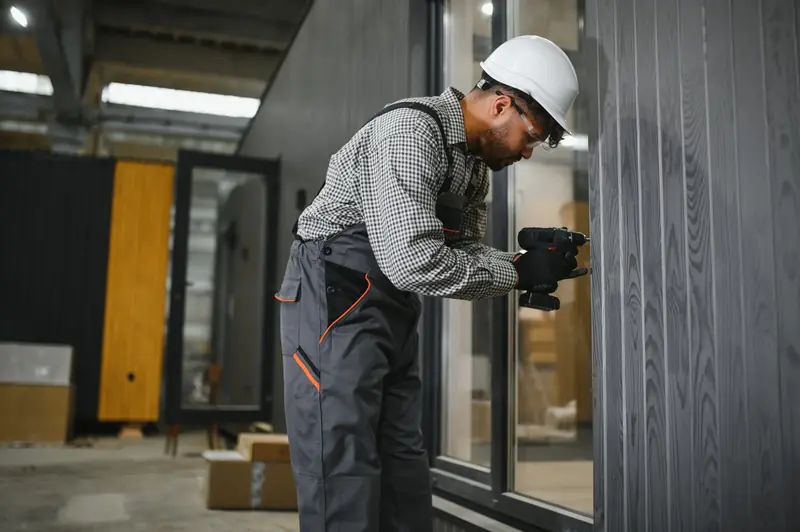
Hollow metal man doors beside loading docks, exposed to carts, pallet jacks and weather.
University City and SouthPark offices and clinics
Automatic entrances, ADA-sensitive closers, and suite doors with keyed or electrified locks.





FAQ
Commercial door repair questions from Charlotte businesses
Do you only work in Charlotte?
Yes. This service is scoped to commercial properties within Charlotte, NC, from Uptown and South End to University City, Ballantyne and Steele Creek. Call (984) 217-8021 to confirm your address.
Do you repair doors or only replace them?
Repair comes first. Worn pivots, an out-of-adjustment closer, a misaligned strike or a sticky exit device can usually be fixed without replacing the door. We recommend replacement only when the leaf, frame or hardware is beyond repair.
What should I have ready when I call?
Have the building address, the door type (glass storefront, steel, automatic or fire-rated), what the door is doing, and the hardware brand if you can see a label. A phone photo also helps.
Can you secure a door after a break-in?
Yes. After forced entry, the first job is getting the opening to lock again. Damaged locks, strikes and frames are then repaired or replaced as a follow-up. Call and say it's a security issue.
Why is there no contact form?
Door problems are easier to sort out in a two-minute conversation than in a form. Calling (984) 217-8021 lets us ask the follow-up questions that decide which parts and which technician the job needs.
How do I know if my door problem is urgent?
It's urgent if the door can't lock, people can't get out through an exit, a fire door won't close and latch, or an automatic door is behaving unpredictably. Those affect security or life safety. Slamming, dragging and slow wear can be scheduled, but they get worse and more expensive if they wait.
Do you work on residential doors or garage doors?
No. This service covers commercial pedestrian doors and their hardware in Charlotte: storefronts, steel doors and frames, exit devices, closers, locks, automatic entrances and fire-rated doors. Residential doors and overhead garage or dock doors are outside its scope.
Can you match the hardware that's already on my building?
Usually. Tell us the brand and model printed on the closer, push bar or lock, or send a photo when you call. Matching existing hardware keeps keying, finishes and function consistent across the building.
Will a repair bring my door up to ADA or fire code?
A repair can restore what the code expects, such as a closer that takes at least 5 seconds to move the door from 90° open to 12° from the latch, or a fire door that latches on its own. Whether a whole opening complies depends on more than the hardware, so your code official has the final word.
What if my door needs a part that has to be ordered?
We'll leave the door secure and working as well as possible, explain what's being ordered and why, and come back to finish once the part arrives.
Door not closing, latching or locking?
Call now and describe what the door is doing. We'll tell you what's likely wrong and get it fixed.